
How SEO Optimization Improved Website Performance for a Beauty Salon

DIGITAL LEAD NOVA
Published On Oct 15, 2026 15:40 IST

Introduction
A beauty salon’s website should explain services and make booking simple. SEO optimization helps clients discover relevant pages where appropriate. This illustrative case study outlines an approach, not verified client results.
Website Performance Challenges
The salon listed treatments, but some pages were difficult to navigate and left client questions unanswered. SEO optimization identifies gaps in content, usability, and search visibility. A focused SEO optimization plan prioritizes important fixes and aligns them with booking goals. Review search queries, engagement, mobile layouts, and booking paths.
SEO optimization should bring relevant people to accurate service information and make the next step clear. The salon can use baseline data to prioritize improvements and later compare results fairly. This makes SEO optimization easier to evaluate.
On-Page SEO Improvements
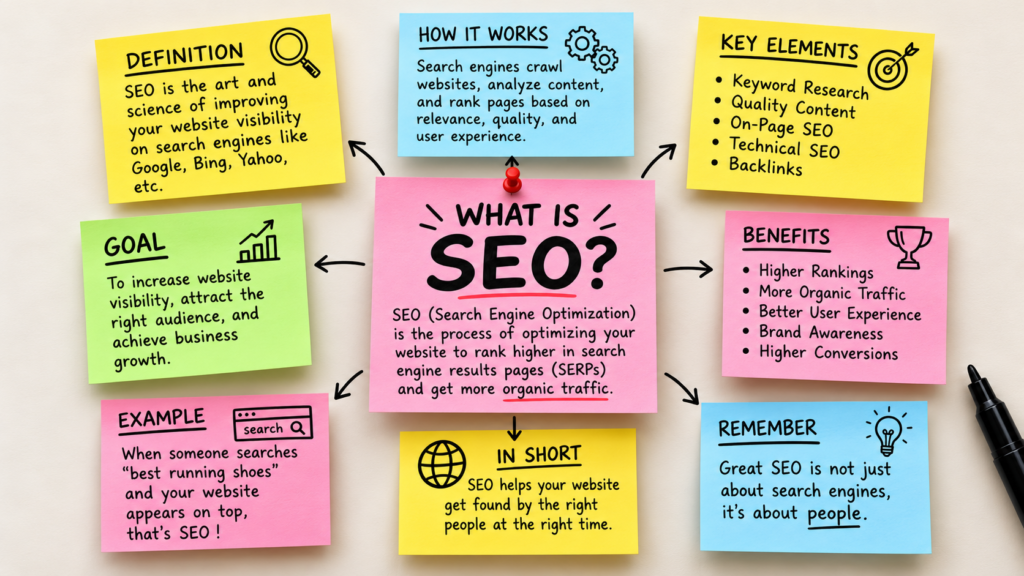
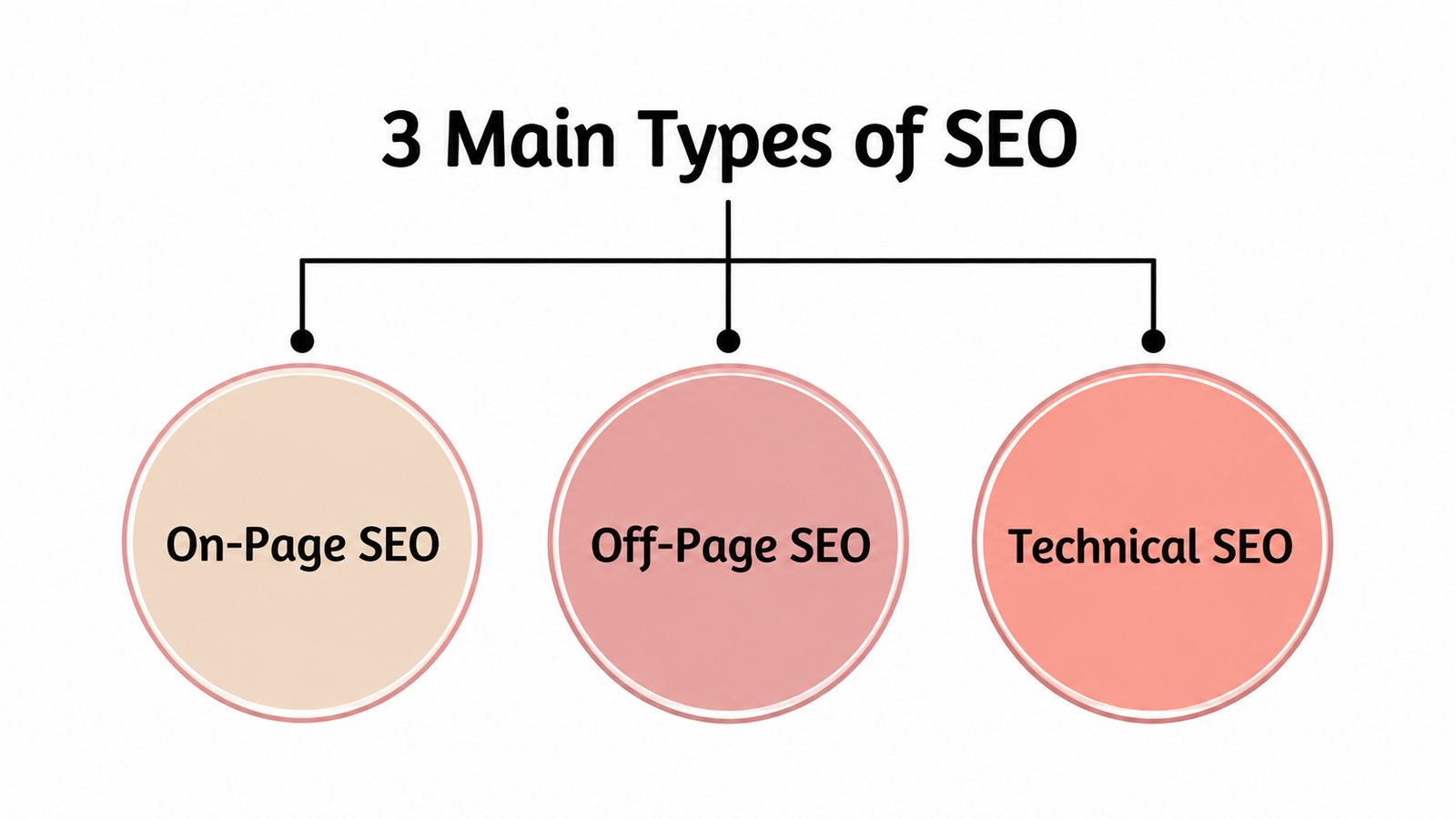
Page-level optimization helps search engines and visitors understand each page. The salon can improve headings, page copy, image descriptions, internal links, and content organization. SEO optimization should describe treatments accurately and answer useful questions about suitability, preparation, duration, and aftercare where appropriate.
SEO optimization also means avoiding repetitive keyword use and generic copy across every treatment. Each page should explain what makes the service distinct and guide visitors toward booking or contacting the salon. SEO optimization is most useful when it improves clarity rather than merely adding search phrases.
Service Page Optimization
Each important treatment needs a clear, useful destination. A page for hair coloring, facials, or nail services should explain what the service includes, who it may suit, approximate duration when known, and how to book. Treatment pages should use accurate details and avoid unsupported guarantees.
The salon can group related treatments logically and connect them with relevant pages. SEO optimization should make these pathways intuitive. This helps visitors compare options without getting lost. These pages also help the business focus content around the real questions clients ask before making an appointment.
Metadata and Conversion Measurement
Page metadata summarizes a page in search results. Write a unique, descriptive title and meta description for each important service page, reflecting its actual content. Search snippets should be clear and appealing without promising results the salon cannot guarantee. SEO optimization includes reviewing page details when services change.
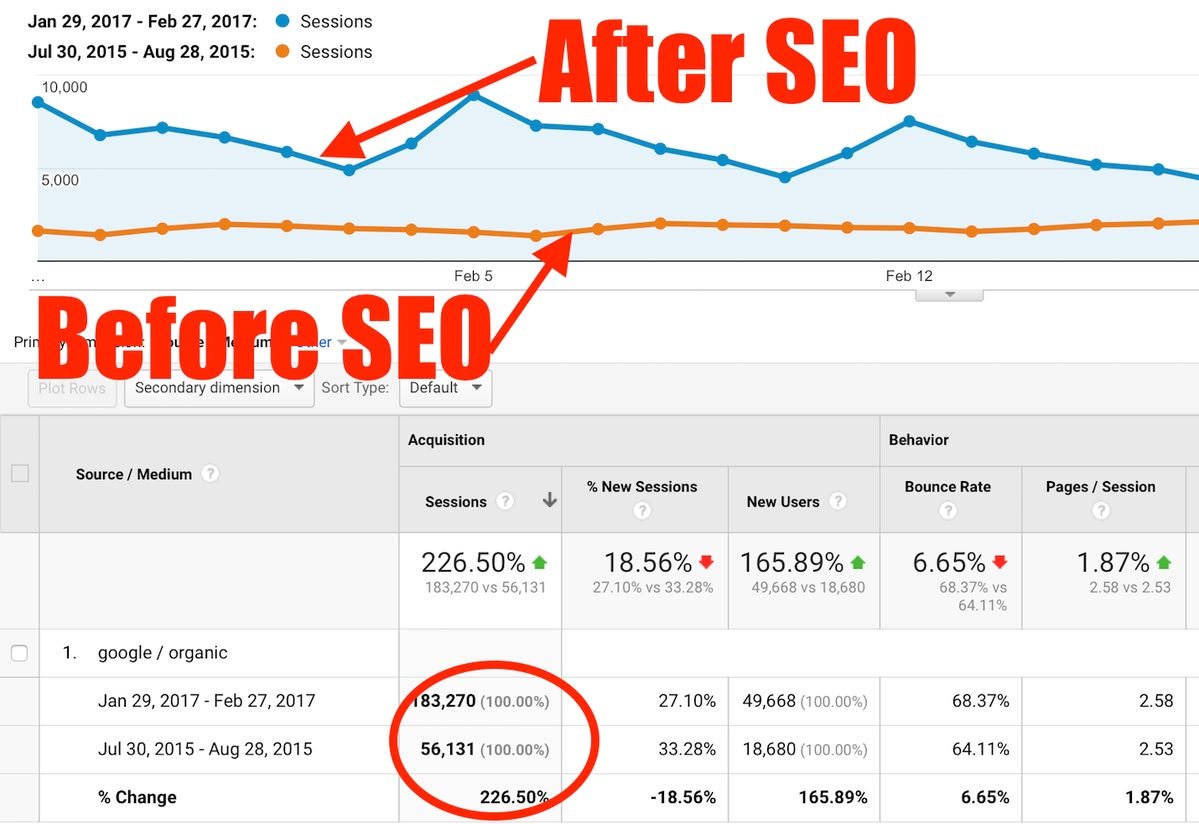
Measure performance through search impressions, clicks, relevant landing-page visits, calls, and completed bookings. Organic conversions are more meaningful than traffic alone because they indicate visitors taking useful actions. Track organic conversions consistently and compare them with a documented baseline. SEO optimization should be assessed over time, since results can vary with competition, local demand, and implementation quality.
Review pages that receive impressions but few clicks, and pages that attract visitors without generating bookings. Improve titles, content, calls to action, and mobile usability based on evidence. SEO optimization should follow measured findings. Metadata and service page optimization should support a smooth path from search to appointment.

FAQ
SEO optimization improves a website’s content, structure, and technical accessibility so potential clients can discover relevant services through search.
On-page SEO helps clarify page topics and makes service information easier for visitors and search engines to understand.
It includes useful treatment details, clear headings, accurate descriptions, relevant internal links, and an easy booking path.
A structured SEO optimization plan can help a beauty salon make service information easier to discover and use. Combining on-page SEO, service page optimization, accurate metadata, and conversion tracking gives the business a practical way to evaluate website performance. Real results should be reported only after reviewing verified analytics.
Conclusion
A structured SEO optimization plan can help a beauty salon make service information easier to discover and use. Combining on-page SEO, service page optimization, accurate metadata, and conversion tracking gives the business a practical way to evaluate website performance. Real results should be reported only after reviewing verified analytics.
CTA
Review key treatment pages, improve titles and booking links, then track organic conversions and refine the website for clients using measured results.
Recent Comments