How SEO and Digital Marketing Help Businesses Grow
DIGITAL LEAD NOVA
Published On Oct 15, 2026 15:40 IST
Introduction
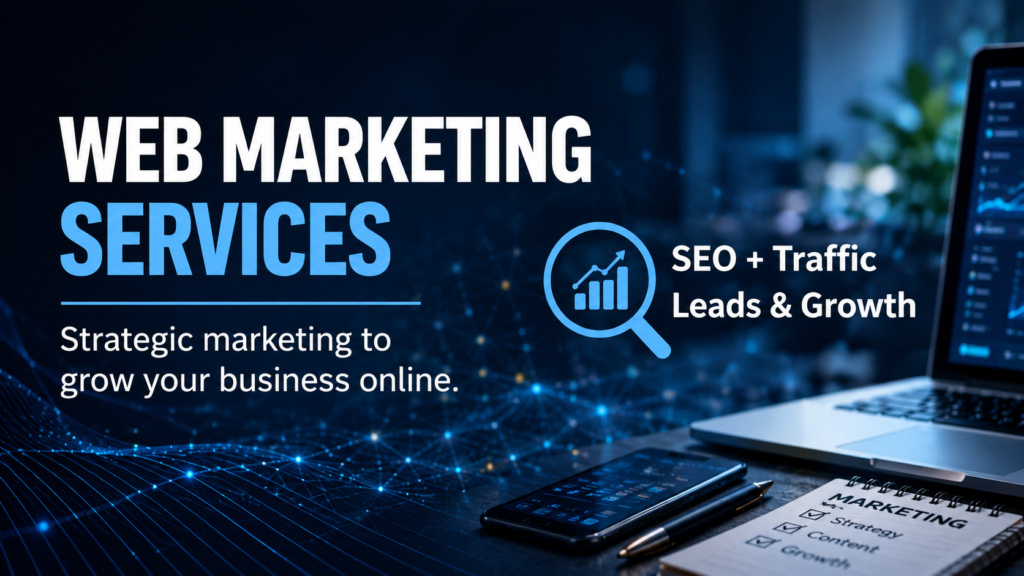
SEO is one part of digital marketing, alongside paid advertising, social media, email, and content marketing. Each channel serves a different purpose: paid ads deliver quick visibility, SEO builds long-term organic traffic, social media increases brand awareness, and email nurtures customer relationships. Combining these channels creates a more effective digital marketing strategy.
What Is SEO?
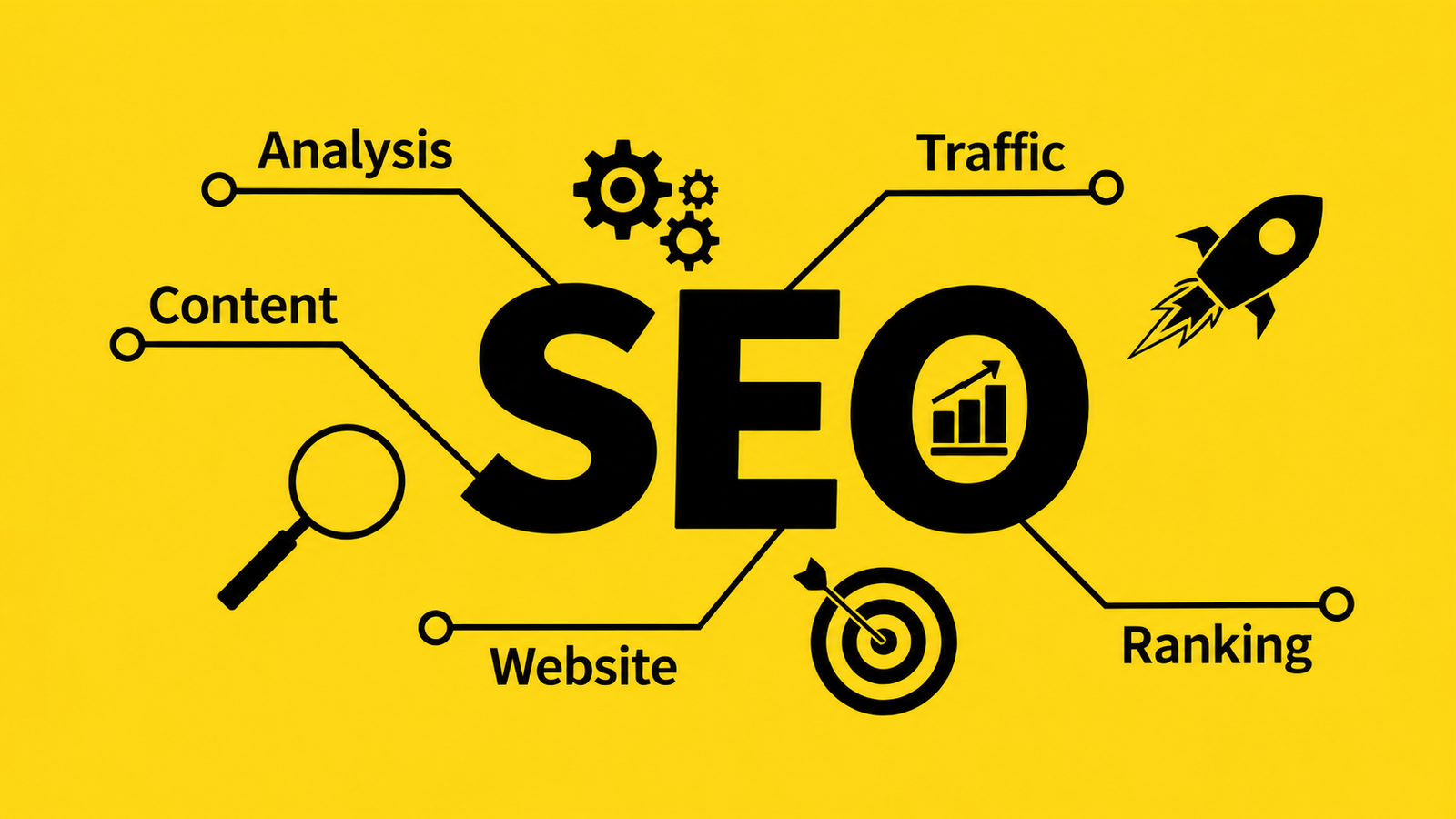
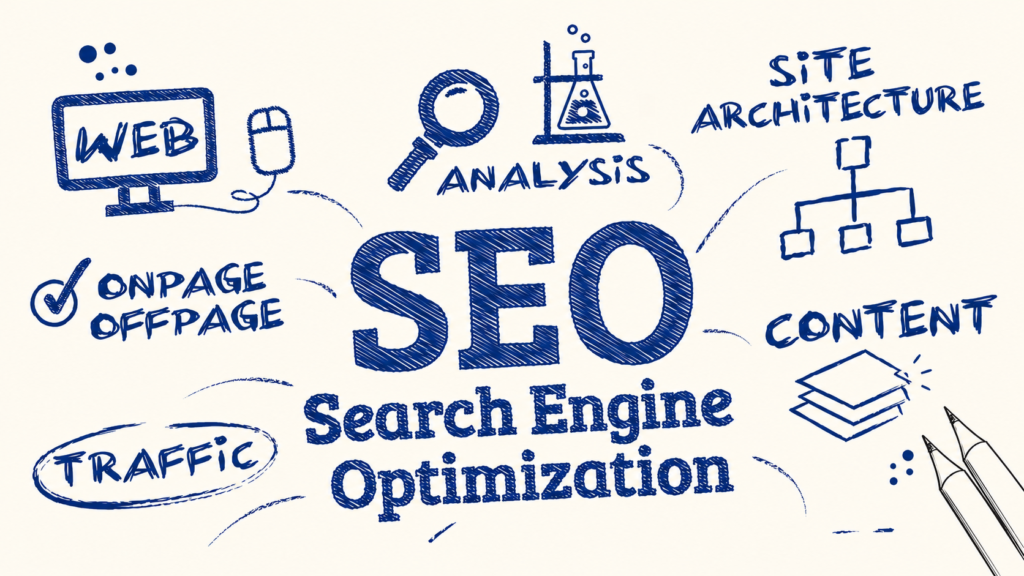
SEO is the practice of optimizing a website’s content and structure so search engines can interpret its pages and users can discover them through organic search results.
SEO involves several activities, including improving website content, fixing technical problems, organizing pages, earning relevant links, and making the website easier to use.
For example, imagine a Pune based company that provides accounting services. When someone searches for accounting services in Pune, the company wants its website to appear among relevant results. Well organized service pages, accurate contact details, location specific content, and a website that performs smoothly can increase the likelihood of appearing in relevant search results.
However, SEO cannot guarantee the top spot on Google. SEO aims to help search engines understand your website’s content while making your pages more relevant and helpful to people searching for the products or services you offer.

How SEO and Digital Marketing Work Together
SEO is one part of digital marketing, not a replacement for other channels.
Paid Advertising: Generates quick traffic and visibility.
SEO: Attracts relevant organic traffic over time.
Social Media Marketing: Builds brand awareness and reaches new audiences.
Email Marketing: Maintains customer relationships and encourages repeat visits.
Content Marketing: Answers customer questions and builds trust.
Combined Strategy: Using these channels together helps businesses attract, engage, and convert customers.

Benefits of SEO and Digital Marketing
Better Online Visibility: Helps your website appear in relevant search results and reach potential customers.
More Relevant Traffic: Attracts visitors searching for products, services, or solutions your business offers.
Greater Trust and Credibility: Builds trust through helpful content, genuine reviews, and accurate business information.
Long-Term Marketing Value: Generates organic traffic over time with regular updates and optimization.
Better Business Insights: Reveals customer search behavior and website performance to improve user experience and conversions.
How Search Engines Discover Websites
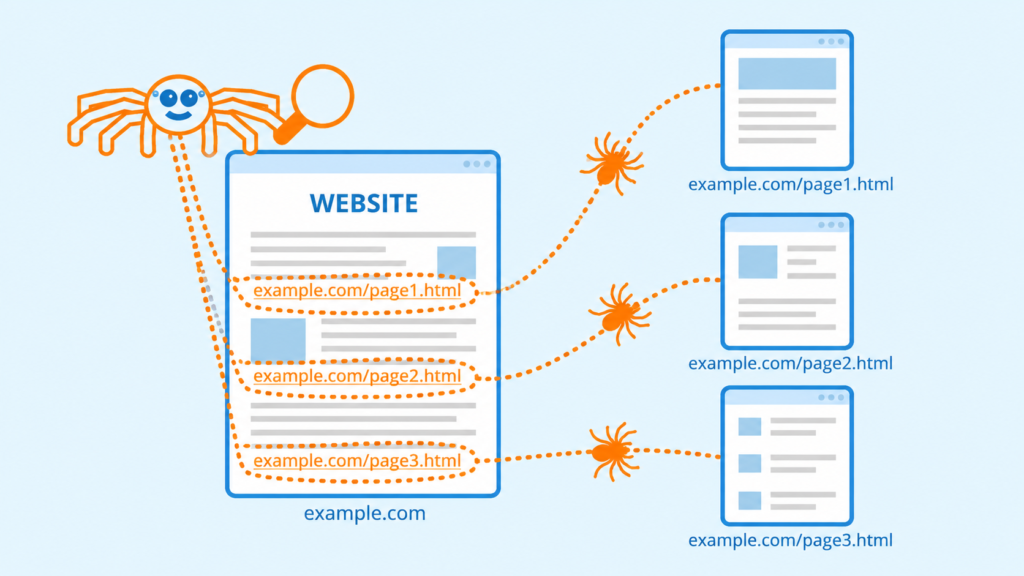
Search engines rely on automated technologies to find webpages, analyze their content, add eligible pages to their indexes, and determine their positions in search results.
Discovery and Crawling
Search engines find new webpages through links between websites, sitemaps, and other discovery techniques that help them locate online content. Important pages should be accessible to search engine crawlers and connected through useful internal links.
An XML sitemap can help search engines discover important URLs, especially on larger websites. Adding a sitemap can help search engines find your website’s pages, but it does not ensure that every URL will be crawled or included in search results.
Indexing
Once a webpage has been scanned, search engines evaluate its information and determine whether it should be stored in their index for potential display in search results. Duplicate content, technical restrictions, and low value pages can affect indexing decisions.
Ranking
When someone searches for information, search engines select and order results based on many signals, including relevance, quality, usability, and context.
There is no single trick that guarantees high rankings. Useful content and a technically accessible website provide a stronger foundation than shortcuts designed to manipulate search results.
Practical SEO Steps for Businesses
Research Keywords
Understand what your target audience searches for. Focus on relevant keywords and user intent rather than search volume alone.
Create Useful Content
Publish clear, informative content that answers customer questions. Use relevant headings, examples, and keywords naturally.
Improve Technical SEO
Ensure your website loads quickly, works well on mobile devices, uses HTTPS, and allows search engines to access important pages.
Build Internal Links
Connect related pages with descriptive links. This improves website navigation and helps search engines discover relevant content.
Track Performance
Use Google Search Console and Google Analytics to monitor clicks, traffic, enquiries, and conversions. Focus on business results instead of rankings alone.
Common SEO Mistakes to Avoid
Avoid publishing content without understanding search intent, ignoring technical issues, buying low quality backlinks, expecting instant results, and forgetting to guide visitors toward meaningful actions.
Conclusion
SEO and digital marketing help businesses connect with relevant audiences and improve their online presence. Start with keyword research, helpful content, technical improvements, and regular performance tracking. Consistent effort and useful information are more valuable than chasing quick ranking tricks.
FAQ
SEO improves organic search visibility, while digital marketing includes online promotion through SEO, paid advertising, social media, and email marketing.
SEO can improve visibility, attract relevant visitors, build credibility, and generate opportunities for leads and sales.
Results vary depending on competition, website condition, and content quality. Meaningful growth often takes several months.
Paid advertising can deliver quicker visibility, while SEO can build organic traffic over time. Both can complement each other.
Yes. Local keywords, useful content, and well optimized service pages can help small businesses reach potential customers.
CTA
Review your website today, identify improvement opportunities, and make it easier for both search engines and potential customers to find what they need.
External links
- Effective SEO services consider search volume, competition, business relevance, and search intent when selecting target keywords.
- Google’s E E A T framework stands for Experience, Expertise, Authoritativeness, and Trustworthiness.
- Use Google Search Console to monitor impressions, clicks, search queries, and indexing.
- Useful content and a technically accessible website remain important.